Top Toys of 1977: Star Wars, Stretch Armstrong and the Franchise Toy Earthquake

Top Toys of 1977: Star Wars, Stretch Armstrong and the Franchise Toy Earthquake
Smells Like Gen X • Top Toys of 1977

Top Toys of 1977: Star Wars, Stretch Armstrong and the Franchise Toy Earthquake

The top 10 toys of 1977 feel like the year the toy aisle gets hit by a cultural event and never fully goes back. The early and mid-70s are still all over the room — still tactile, still analog, still full of toys built around stretching, launching, drawing, racing, and making a respectable mess — but 1977 adds something bigger. This is the year where one giant franchise starts rearranging the whole conversation.

That is what makes 1977 so different from 1976. Last year was about demonstration. You stretched the toy, launched the toy, revealed the toy’s feature, and gathered an audience in the living room while the adults regretted not hiding the breakables. In 1977, that energy is still here, but now the aisle starts bending around recognizable worlds, characters, and licensed obsession. Kids are not just asking for “a cool toy” anymore. They are asking for the toy tied to the thing everyone is talking about.

Like the rest of this series, this is a best-supported editorial countdown rather than a fake official chart. There is no one clean year-end toy ranking for 1977, so this list is built around cultural impact, shelf presence, longevity, era fit, and the toys that best capture what this year actually felt like: the bridge between classic 70s analog play and the franchise-heavy toy madness that would dominate the years ahead.

Gen X Note: 1977 is the year the toy aisle stops being just a toy aisle and starts becoming a pop-culture delivery system.

What Were the Top Toys of 1977?

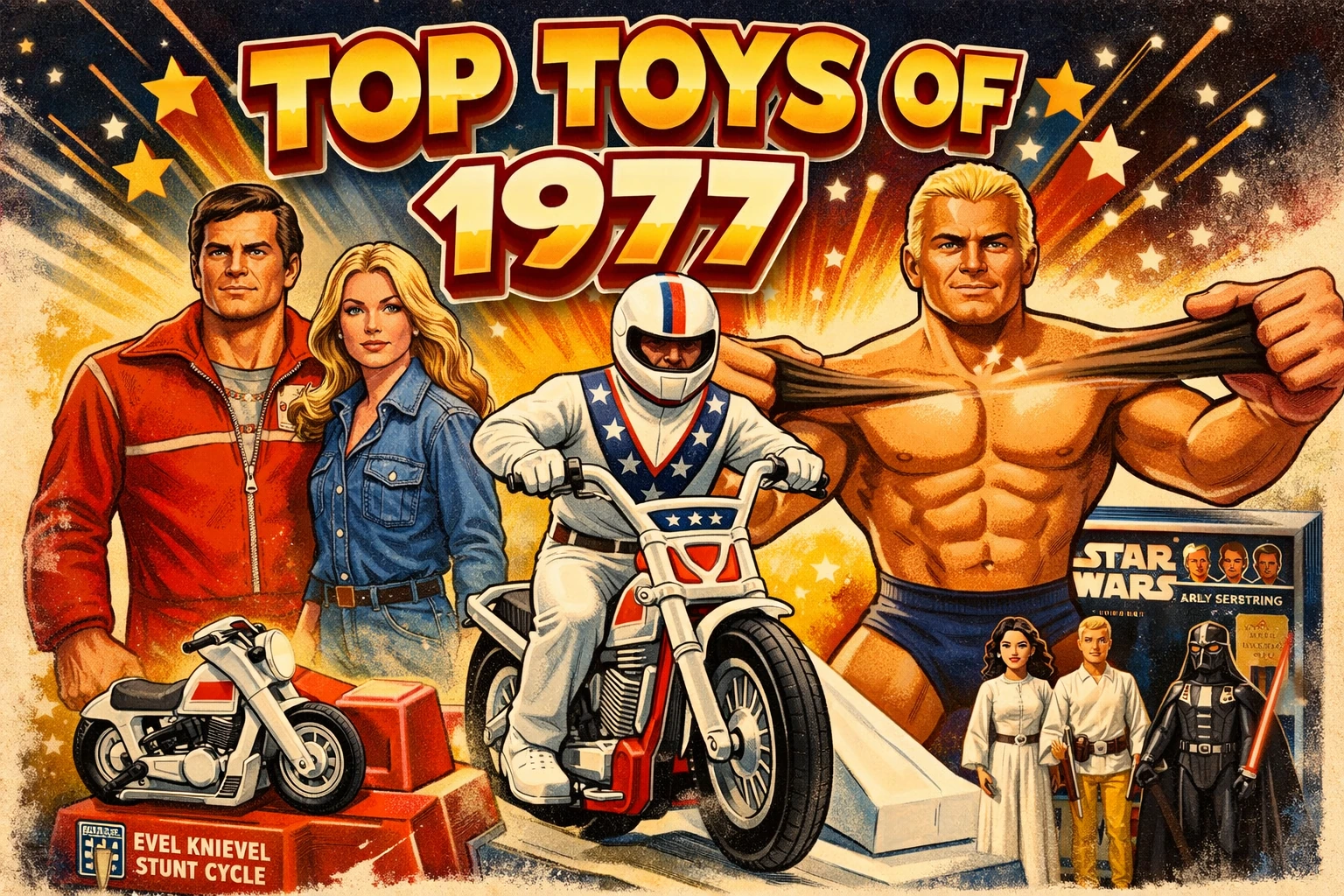
The top toys of 1977 were Star Wars Toys / Early Bird Certificate Package, Stretch Armstrong, The Six Million Dollar Man, Evel Knievel Stunt Cycle, The Bionic Woman, Baby Alive, Connect Four, Barbie, Hot Wheels, and Play-Doh. For this Smells Like Gen X countdown, Star Wars ranks as the #1 toy story of 1977 because it marks the moment the toy aisle stopped being just a shelf of products and started becoming a franchise delivery system.

1977 Toy Ranking at a Glance

Here is the 1977 toy countdown in quick-scan form, with each toy’s main lane and why it mattered to the year when franchise heat started changing the whole toy aisle.

#1 Star Wars Toys / Early Bird Certificate Package Movie-driven franchise demand

Turned anticipation itself into the toy story of Christmas and rewired the whole category.

#2 Stretch Armstrong Feature-first action figure

Stayed huge because one unforgettable physical gimmick could still own the room.

#3 The Six Million Dollar Man TV-driven feature toy

Kept proving that recognizable characters plus toy features was a brutal sales combo.

#4 Evel Knievel Stunt Cycle Stunt spectacle toy

Still delivered one of the purest “watch this” play patterns of the entire decade.

#5 The Bionic Woman TV-connected action doll

Showed how character recognition and feature play were broadening across the aisle.

#6 Baby Alive Interactive caregiving doll

Kept realism, routine, props, and tiny responsibility powerful in a franchise year.

#7 Connect Four Quick tabletop strategy

Survived on replay value, fast matches, and family-room grudges.

#8 Barbie Fashion world-building

Kept her evergreen fantasy platform alive while franchise toys got louder.

#9 Hot Wheels Die-cast speed system

Still made collecting and active track play feel like one tiny orange highway system.

#10 Play-Doh Analog tactile classic

Kept pure hands-on play alive while pop culture started eating the toy shelf.

Keep Rewinding 1977

The toy aisle was only one part of 1977’s bigger cultural detonation. Music was moving through disco, rock, soul, soft pop, and the kind of late-70s radio variety that could make one car ride feel like three different decades fighting over the dashboard. Movies changed forever once Star Wars hit theaters, and television was still the shared living-room ritual before every screen in the house started demanding its own personality.

If you want the full 1977 rewind, keep the year together, jump back to the 70s Toys Hub for the full decade toy aisle, or watch the ad-break version of the decade in the 70s toy commercials and forgotten toy videos archive. The toys show how franchise demand started reshaping childhood wish lists. The commercials show how that demand got sold between cartoons, sitcoms, and Saturday-morning chaos. The songs show what was coming through the radio. The movies show why the entire pop-culture machine shifted into a new gear. The TV rankings show what families were still watching together while the toy aisle was quietly getting ready for the licensed-merch avalanche.

70s Nostalgia Hub The main decade hub for 70s toys, music, movies, TV shows, fads, commercials, and Gen X nostalgia. 70s Toys Hub The full 1970s toy aisle by year, from analog classics and bionic heroes to Star Wars figures, Atari, and late-decade franchise chaos. 70s Toy Commercials & Forgotten Toy Videos Vintage 70s toy commercials, forgotten toy videos, ad-break hype, and the commercials that sold Star Wars anticipation, stunt toys, bionic heroes, and plastic chaos. Toys Hub The full toy hub for Gen X Christmas lists, decade-by-decade toy countdowns, and nostalgic toy aisle chaos. Top Toys of 1976 The previous 70s toy year, where Stretch Armstrong, Evel Knievel, The Bionic Woman, and demo-heavy toys owned the room. Top Toys of 1978 The next 70s toy year, when Star Wars demand, early electronics, and late-decade toy energy keep rewriting Christmas lists. Top 10 Songs of 1977 The radio side of 1977: disco, rock, soul, soft pop, and late-70s AM-radio whiplash. Top 10 Movies of 1977 The movie year that changed the toy aisle forever, led by Star Wars and the rise of franchise-level pop-culture heat. Top TV Shows of 1977 The living-room TV culture that kept character-driven toys, bionic heroes, and shared pop obsessions in heavy rotation. 1977 Movies The Star Wars year — the movie-side earthquake that made toy demand feel bigger, faster, and more franchise-driven. 1977 TV The living-room TV culture behind bionic heroes, recognizable characters, and toy-aisle arguments with a theme song attached. Forgotten 70s Toys That Deserve a Comeback The oddball, overlooked, and half-remembered side of the decade’s toy box — where pre-franchise weirdness still deserves a comeback. Early Electronics Changed the Vibe The beeps, batteries, Atari, Simon, Merlin, Speak & Spell, Big Trak, and electronic shift waiting right after the franchise door opens.

Quick List: The Top 10 Toys of 1977

  1. #1 — Star Wars Toys (Early Bird Certificate Package)
  2. #2 — Stretch Armstrong
  3. #3 — The Six Million Dollar Man
  4. #4 — Evel Knievel Stunt Cycle
  5. #5 — The Bionic Woman
  6. #6 — Baby Alive
  7. #7 — Connect Four
  8. #8 — Barbie
  9. #9 — Hot Wheels
  10. #10 — Play-Doh

Watch the 1977 Toy Commercial Energy

The 1977 toy aisle was a commercial-break collision: Star Wars turned movie heat into toy hunger, Stretch Armstrong still demanded a live demo, Evel Knievel still needed a launch, the bionic heroes needed feature close-ups, and the older analog classics had to survive in a room suddenly obsessed with fictional universes.

The 70s Toy Commercials & Forgotten Toy Videos archive is the best next stop for the ad-break side of this page. If the countdown explains why the toys mattered, the commercials show how the decade sold them: franchise anticipation, TV heroes, stunt action, fast demos, and the growing realization that a kid’s favorite screen obsession could become the entire Christmas list.

Countdown: The Top 10 Toys of 1977

Play-Doh
1977

#10 — Play-Doh

The Messy Survivor
Toy TypeModeling compound
Brand LaneSensory creative play
1977 Rank#10

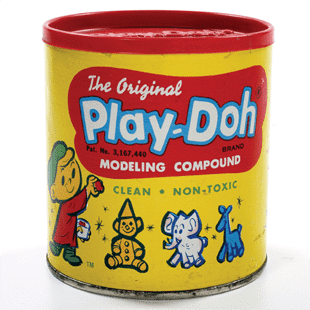
Play-Doh still makes the list because tactile play does not magically disappear just because 1977 is getting more franchise-driven. Kids still want to squish, roll, flatten, cut, and create little dough-based monstrosities that adults are forced to admire on command. The material itself is still fun before anyone even decides what they are trying to make.

What changes in 1977 is the context around it. Play-Doh suddenly looks even more old-school next to toys tied to characters, TV worlds, and media buzz. That does not make it weaker. If anything, it makes its staying power more impressive. It is surviving on pure play value while a lot of the shelf is increasingly surviving on hype.

It also helps anchor the list in the decade’s original analog soul. 1977 may be the year the toy market starts turning a harder corner toward licensed obsession, but the room still has space for a toy that says, “Here is a weird little can of possibility. Good luck to your carpet.”

That soft chaos puts Play-Doh right inside Craft Kits Made a Mess, alongside Lite-Brite, Shrinky Dinks, Magna Doodle, paint, glue, yarn, plastic sheets, and all the evidence parents kept finding later.
Fun Fact / Why It Still Matters Play-Doh stays relevant because the core pleasure is physical, immediate, and almost impossible to out-market.
Hot Wheels
1977

#9 — Hot Wheels

Speed Still Matters
Toy TypeDie-cast cars and track system
Brand LaneCollect-and-race play
1977 Rank#9

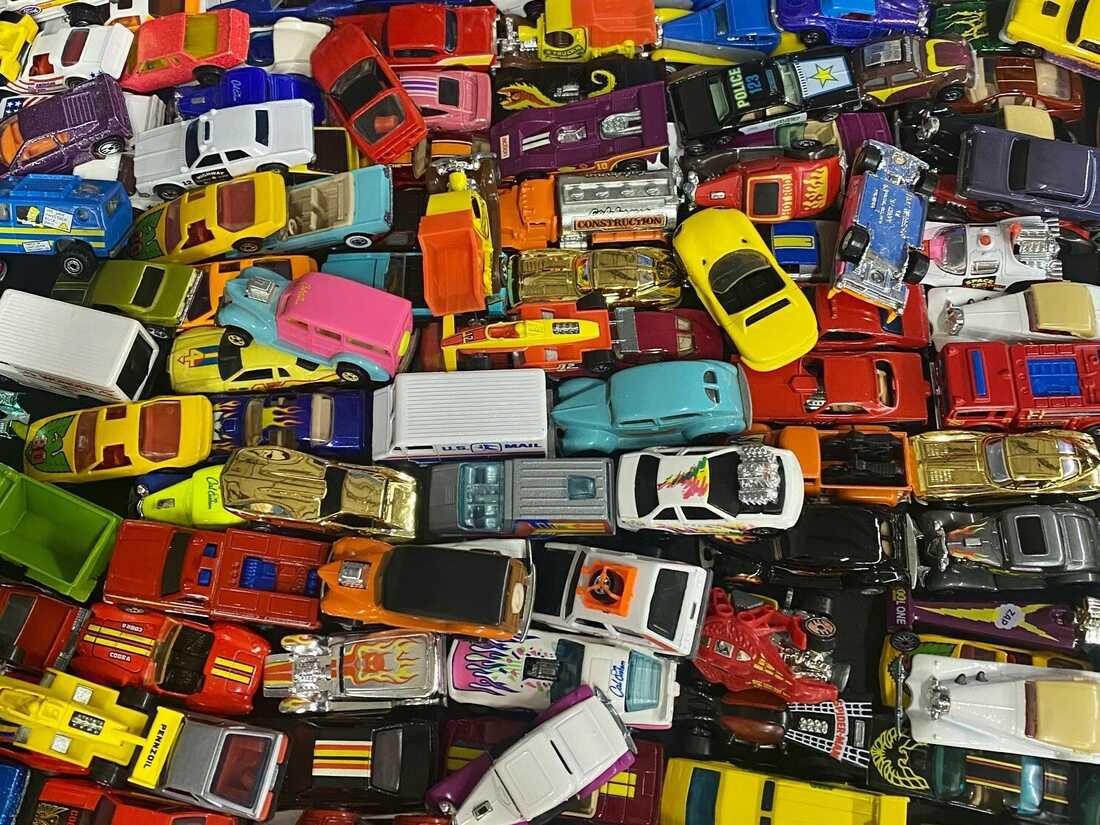
Hot Wheels remain a top-10 toy because they still do two things better than almost anyone: they create desire as objects, and they actually deliver once the track comes out. The cars are collectible, the layouts are endlessly reconfigurable, and the whole system still turns a hallway into a transportation disaster zone with remarkable efficiency.

In 1977, though, the spotlight shifts. Hot Wheels are still exciting, but now they are competing with toys that carry larger pop-culture narratives around with them. That matters. The toy is no longer only competing on movement and mechanics. It is competing on myth, identity, and whether a kid can point to it and say, “This is from the thing everyone is obsessed with.”

That pushes Hot Wheels lower without making them unimportant. They still represent one of the best mid-70s examples of repeatable physical play, and that lane never loses its value. It just has to share more of the stage now.

For the full die-cast, orange-track, Matchbox, Tonka, garage, ramp, and living-room road-system story, take the tiny cars into Carpet Cities & Tiny Roads.

Fun Fact / Why It Still Matters Hot Wheels held their ground because they were never just miniature cars. They were a whole speed system disguised as a handful of small objects.
Barbie
1977

#8 — Barbie

Fashion Empire in a Franchise Year
Toy TypeFashion doll line
Brand LaneLifestyle world-building
1977 Rank#8

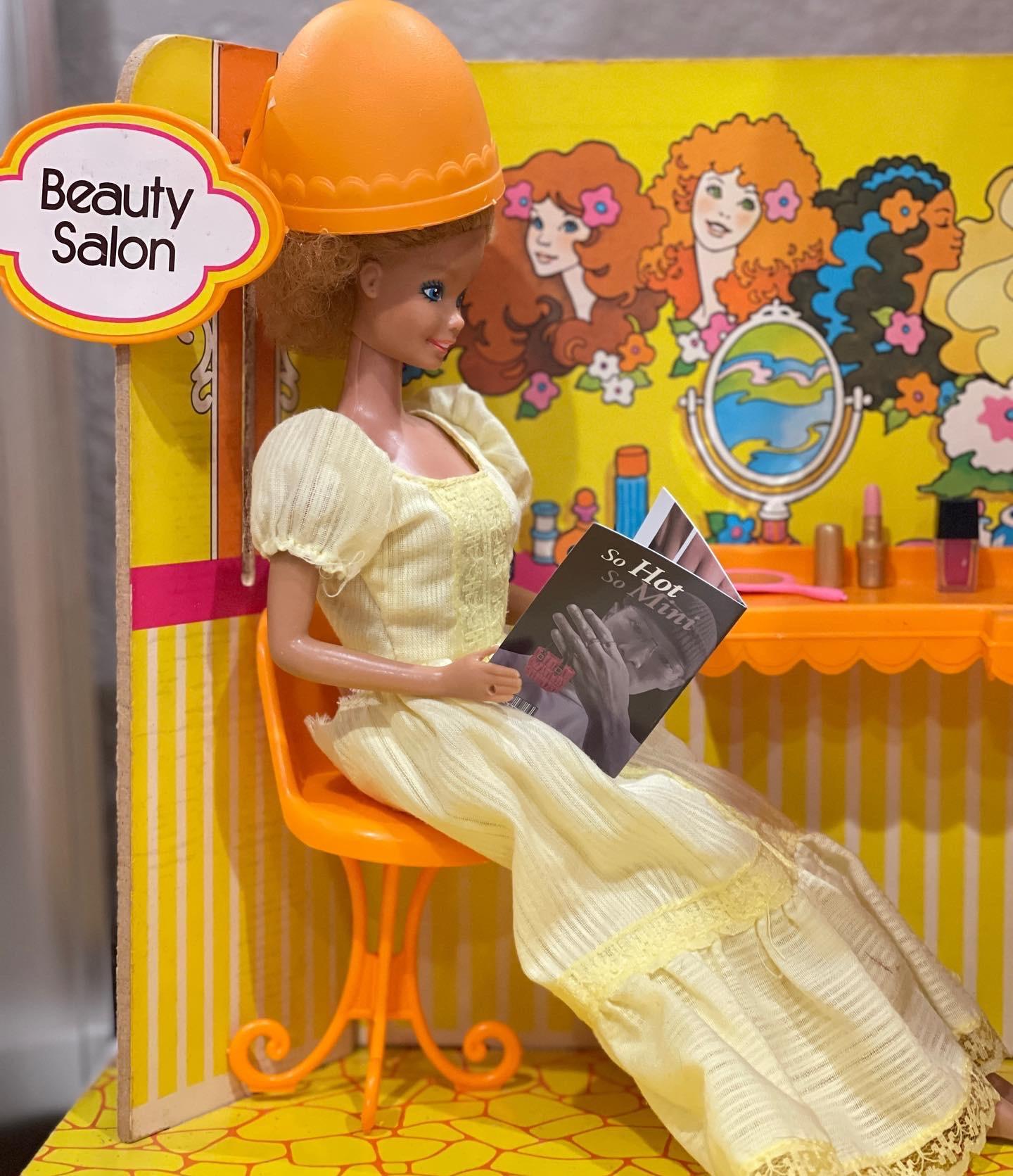
Barbie stays on the list because by 1977 she is still less a single toy than an entire operating system. Outfits, roles, accessories, environments, dream-life projection, and low-key social drama all remain part of the package. She still does something a lot of toys cannot: she creates an ongoing world instead of just delivering one gimmick.

But 1977 is not a neutral year for Barbie. This is a year where outside cultural phenomena begin carrying much more weight in the toy aisle. Barbie still has scale and reach, but she is increasingly sharing oxygen with toys that benefit from immediate media heat and character recognition.

That does not erase her power. It just changes the environment around her. Barbie remains a giant because world-building is still one of the most durable forms of play. She simply has to coexist with a market that is starting to demand stronger franchise hooks and bigger cultural shorthand.

Barbie also belongs in the larger Dolls, Houses & Domestic Drama lane, where fashion play, dollhouses, tiny rooms, homemade accessories, and miniature soap-opera nonsense all live together on the carpet.

Fun Fact / Why It Still Matters Barbie keeps landing in these rankings because a renewable fantasy world is harder to kill than almost any fad.
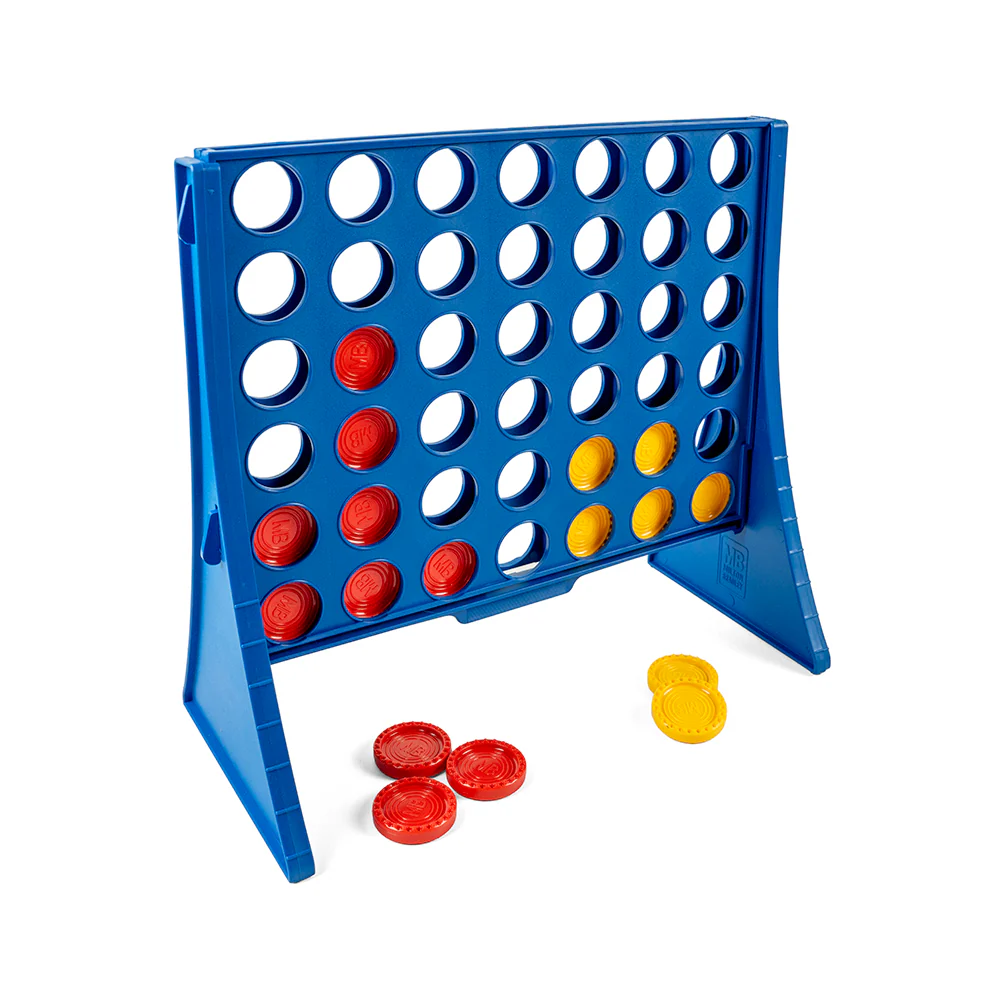
Connect Four
1977

#7 — Connect Four

Quick Strategy Still Crushing It
Toy TypeStrategy game
Brand LaneFast tabletop competition
1977 Rank#7

Connect Four remains important because it understands one of the greatest truths in household play: people like strategy, but they love strategy even more when it does not take all night. The rules are easy, the matches are short, and the rematch energy is built right into the design.

In a year dominated by bigger cultural branding, Connect Four survives on pure usability. It fits real families, real tables, and real attention spans. That matters more than a lot of toy marketing people would probably like to admit.

It also shows that 1977 is not only about franchises. Fast, efficient, replayable toys still have real power, especially when they create actual face-to-face interaction instead of just admiration from across the room.

Connect Four also belongs in Board Games Took Over the Room, where quick rematches, family-table strategy, and plastic click-clack grudges all get the respect they deserve.

Fun Fact / Why It Still Matters Connect Four keeps showing up because it stripped strategy down to a form kids and adults would actually pull out again.
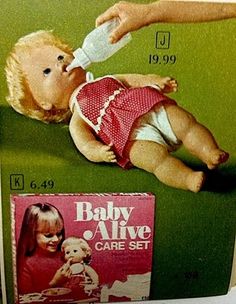
Baby Alive
1977

#6 — Baby Alive

Realism Still Has Pull
Toy TypeInteractive doll
Brand LaneRealistic caregiving play
1977 Rank#6

Baby Alive stays strong because the late-70s toy market is still very interested in products that make pretend feel more procedural. This is not just a doll you carry around and assign a voice to. It is a doll that asks the child to do things, manage things, and play through a routine instead of a vague mood.

That realism remains a serious selling point in 1977. Even with franchise fever rising, there is still a big appetite for toys that simulate real-world behavior in a more hands-on way. Baby Alive keeps its place because it makes the child part of the function, not just the audience for it.

It also captures a different side of the era’s toy evolution. While boys’ lines are getting more obviously character- and feature-driven, Baby Alive shows that interactivity and immersion matter across the aisle too. The kid is not just imagining care. They are performing it.

Baby Alive belongs squarely in Dolls, Houses & Domestic Drama, because it turned doll play into a full caregiving routine with props, mess, and tiny household responsibility nobody asked to be this realistic.

Fun Fact / Why It Still Matters Baby Alive stood out because it turned doll play into maintenance, routine, and low-stakes responsibility.
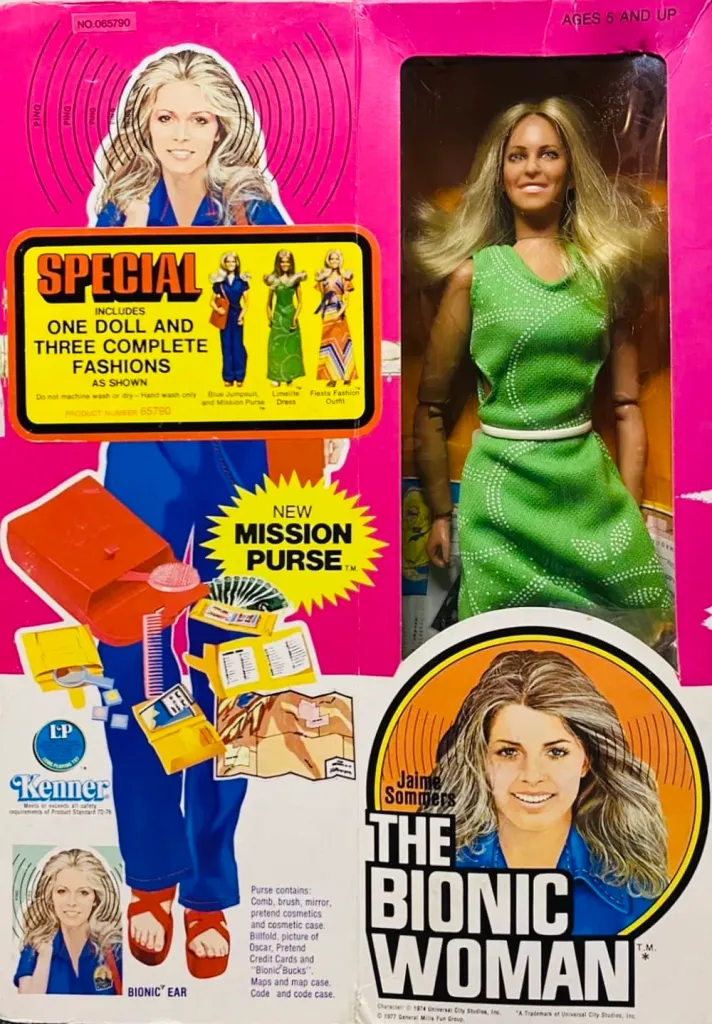
The Bionic Woman
1977

#5 — The Bionic Woman

Feature-Driven Character Play That Felt Current
Toy TypeAction doll
Brand LaneTV-driven character play
1977 Rank#5

The Bionic Woman stays high because she feels exactly like the kind of toy the market wants in 1977: recognizable, current, feature-friendly, and easy to explain in one sentence. The toy benefits from all the strengths of media-connected play while still feeling tactile and substantial in classic 70s fashion.

What makes her especially important is that she helps prove the character-toy crossover is broadening rather than staying boxed into one lane. This is not generic action, and it is not generic fashion. It is identity play tied to a known world, and that becomes more and more valuable as the decade moves forward.

In 1977, that kind of relevance matters. Kids increasingly want toys with a narrative already attached, and Bionic Woman brings one in with her. That gives the line a sharper edge than a lot of otherwise solid holdovers from earlier in the decade.

The Bionic Woman also connects directly to the shared living-room TV culture of 1977 television, where a hit character could move from screen obsession to toy-aisle demand fast enough to make parents sweat.

Fun Fact / Why It Still Matters Bionic Woman matters because it shows how powerful a recognizable character plus toy features could be before the 80s fully industrialized the formula.
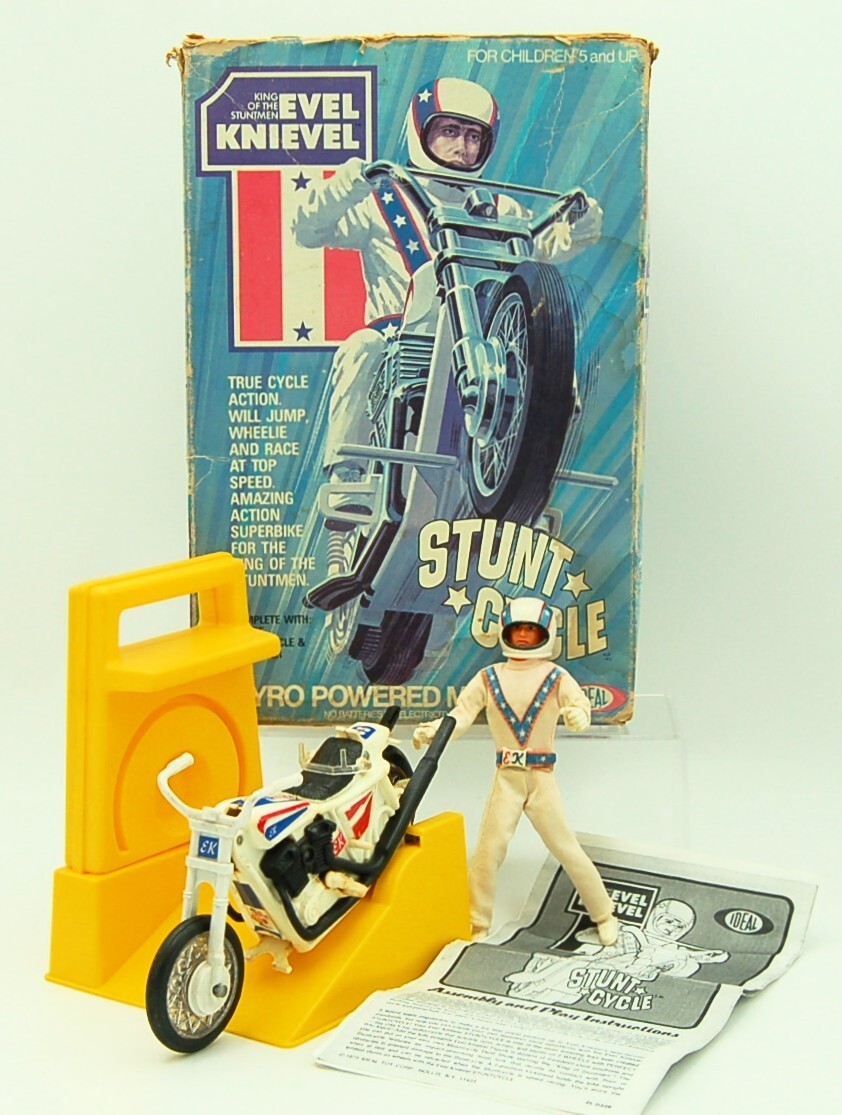
Evel Knievel Stunt Cycle
1977

#4 — Evel Knievel Stunt Cycle

The Last Great Mid-70s Stunt Monster
Toy TypeStunt toy
Brand LaneAction demonstration play
1977 Rank#4

Evel Knievel Stunt Cycle stays near the top because it still delivers one of the purest “watch this” experiences in the whole decade. You wind it, launch it, risk furniture, and immediately want another run. That kind of physical demonstration play is still massively powerful in 1977, even as the market begins shifting toward more media-driven identity.

It also feels like one of the last great expressions of a very specific mid-70s toy energy. Before franchises totally dominate everything, there is still enormous value in a toy that can own a room simply by doing something dramatic at speed.

In that sense, Evel Knievel is almost a bridge toy. It still carries the older decade’s love of mechanics and spectacle, but it also benefits from persona. It is not just a bike gimmick. It is a daredevil fantasy attached to a name kids already know.

Evel Knievel also shares DNA with Backyard Toys Had No Chill, where ramps, speed, bad decisions, and “watch this” confidence were basically a lifestyle.

Fun Fact / Why It Still Matters Evel Knievel remained iconic because it turned repeated mechanical action into an event people actually gathered around.
The Six Million Dollar Man
1977

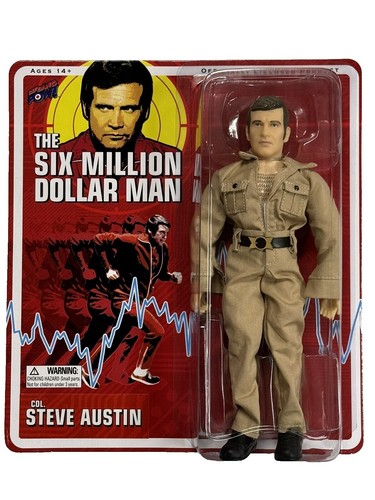
#3 — The Six Million Dollar Man

Still the Blueprint for Feature-Heavy Character Toys
Toy TypeAction figure
Brand LaneTV-driven character play
1977 Rank#3

The Six Million Dollar Man stays this high because in 1977 he still feels like one of the strongest examples of what the market has learned: recognizable characters sell better when they also do something. The line combines TV identity, toy features, and a level of tactile demonstration that makes the whole thing feel bigger than a standard action figure.

That is important in 1977 because the aisle is becoming more openly character-driven, and Steve Austin helped lay that groundwork. Kids were not buying random action anymore. They were buying into a known hero with built-in powers, features, and a cultural footprint outside the toy store.

In another year, he might have felt like the whole story. In 1977, he feels more like the established king watching a new empire form around him. That is still enough to rank near the top, because the line remains an absolutely central piece of the decade’s toy evolution.

The Six Million Dollar Man also connects directly to 1977 TV, where familiar living-room heroes could become toy-store arguments almost overnight.

Fun Fact / Why It Still Matters Six Million Dollar Man mattered because it helped teach the industry that recognizable characters plus toy features was a brutally effective combination.
Stretch Armstrong
1977

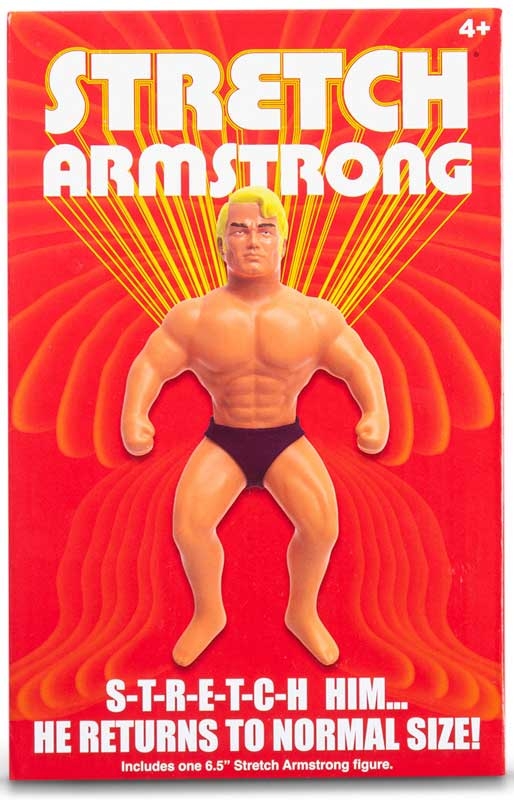
#2 — Stretch Armstrong

Still Weird. Still Huge. Still Working.
Toy TypeStretch action figure
Brand LaneFeature-driven action play
1977 Rank#2

Stretch Armstrong stays near the top because the gimmick is still just that good. You do not need a complicated setting, a pile of accessories, or a giant fictional world to understand the appeal. The second someone sees what the toy does, they want to try it. Then they want to push it farther. Then they want to hear the urban legend about what happens if it breaks.

In 1977, Stretch still represents the best of the mid-70s feature-first toy boom. It is tactile, bizarre, instantly demonstrable, and unforgettable in a way that feels totally native to the era. Even with franchises getting louder, a toy this physically weird can still dominate because the behavior itself sells it.

What keeps it out of the top spot is not weakness. It is timing. Stretch Armstrong remains a monster hit, but 1977 belongs to something even bigger than a great gimmick. It belongs to the moment pop culture itself starts becoming the toy.

Stretch Armstrong also belongs in the larger 70s Toys Hub story as one of the decade’s purest “show everybody what this does” toys.

Fun Fact / Why It Still Matters Stretch Armstrong stayed huge because one unforgettable physical behavior can beat a lot of more complicated toy design.
Star Wars Early Bird Certificate Package
1977

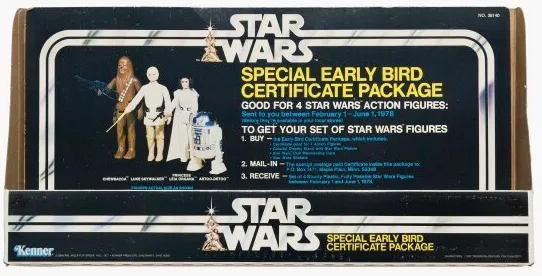
#1 — Star Wars Toys (Early Bird Certificate Package)

The Franchise Shift Starts Here
Toy TypeLicensed toy package / action figure preorder
Brand LaneMovie-driven character obsession
1977 Rank#1

Star Wars takes the top spot because 1977 is the year the toy business gets hit by a franchise tidal wave. This is not just another hot line. This is the point where media hunger becomes toy hunger on a different scale. Kids did not simply want something cool to open. They wanted a piece of the world they had just seen blow up in movie theaters.

What makes the Early Bird Certificate Package such a perfect #1 is that it turns anticipation itself into the product. The actual action figures were not ready in time for Christmas, but the demand was so intense that an elaborate promise of future figures still became the defining toy story of the season. That is wild. It is also historically enormous.

This is where the whole category changes. Before this moment, toys could absolutely be tied to characters and shows, but 1977 is where a giant fictional universe begins to reorganize what kids expect from the aisle. They want lore. They want recognizable heroes and villains. They want objects that let them continue a story they are already emotionally invested in.

And that is why Star Wars belongs at #1. Not because the Early Bird package was the deepest or most tactile plaything in the room, but because it marks the exact moment the room itself changes. 1977 is the year the toy box starts making space for franchise obsession as a primary force, and nothing represents that better. For the movie side of that earthquake, jump to Top 10 Movies of 1977.

Fun Fact / Why It Still Matters Star Wars hits #1 because 1977 proved kids would gladly ask for the promise of toys if the world behind them felt big enough.

Rewind Verdict

The top 10 toys of 1977 show the decade hitting a true turning point. Compared with 1976, the old feature-driven magic is still strong — Stretch Armstrong still stretches, Evel Knievel still launches, Six Million Dollar Man and Bionic Woman still bring recognizable characters and physical gimmicks into the room — but the real shift is larger than any one product. 1977 is the year the toy aisle starts orbiting full-blown franchise demand.

That is why Star Wars lands so clearly at #1. The defining toy story of the year is not just that kids wanted the line. It is that they wanted it badly enough for a preorder-style promise to become part of Christmas itself. That is not a normal toy hit. That is the beginning of a different era.

At the same time, the rest of the list proves the older 70s DNA is not gone yet. Stretch Armstrong still owns unforgettable gimmick play. Evel Knievel still turns the room into a stunt arena. Baby Alive still pushes realism. Connect Four still wins on actual repeat use. Barbie, Hot Wheels, and Play-Doh still hold their lanes because pure play value never fully goes out of style.

For Gen X memory, 1977 feels like the year toys stopped being only about what they did and started being just as much about what universe they belonged to. That shift would get a lot bigger very quickly. The commercial side of that memory lives in the 70s toy commercials and forgotten toy videos archive, where classic analog toys, stunt toys, bionic heroes, and the first waves of franchise obsession get the ad-break treatment. It also plugs directly into the bigger 70s toy lanes: craft kits, board games, dolls and houses, toy cars and carpet cities, backyard chaos, early electronics, 1977 movies, and the 1977 TV culture that kept character toys hot.

FAQ: Top Toys of 1977

What was the biggest toy of 1977?

Star Wars Toys (Early Bird Certificate Package) is the strongest editorial choice for #1 because it best captures the year’s biggest shift: toys becoming franchise-driven cultural events rather than just strong standalone products.

Was there an official annual toy chart for 1977?

No. Like the other posts in this series, this is a best-supported editorial ranking based on cultural impact, shelf presence, longevity, and how strongly each toy represents the year.

Why rank Star Wars #1 if the figures were not fully out yet?

Because this series ranks the toys that most defined the year’s toy box and toy culture. In 1977, Star Wars demand was so massive that the Early Bird Certificate Package itself became the defining toy event of Christmas.

How was 1977 different from 1976 in toys?

1976 leaned harder into demonstration-heavy gimmicks — stretching, launching, showing off a feature. 1977 keeps some of that energy, but becomes much more franchise- and character-driven, with Star Wars changing the center of gravity.

What toy trends defined 1977?

The biggest trends were licensed movie demand, TV-connected character toys, still-strong feature-driven action play, interactive realism in dolls, and dependable evergreen toys that survived even as the market changed around them.

Where can I explore more 70s toy categories?

Start with the 70s Toys Hub, watch the 70s toy commercials and forgotten toy videos, then jump into deep dives on craft kits, board games, dolls and houses, toy cars, backyard toys, and early electronics.

Get the Weekly Gen X Drop

New videos, rewinds, and savage nostalgia — first.

SUBSCRIBE WATCH VIDEOS

MORE REWINDS